Compare Local Contractors for Land Grading Projects
Compare local contractors for land grading to define your project scope, verify experience, and set clear expectations in writing to ensure a successful outcome.
Land grading services involve shaping and leveling the land to prepare a property for construction, landscaping, drainage management, or erosion control. This work typically includes removing excess soil, filling low spots, creating slopes, and ensuring proper drainage pathways. Proper land grading can improve the stability of a property, prevent water pooling, and create a solid foundation for future development or landscaping projects. Understanding the scope of land grading helps property owners communicate their needs clearly and ensures that contractors have a comprehensive understanding of the work involved.
Defining the scope of land grading projects is essential for setting realistic expectations and avoiding misunderstandings. A detailed scope includes specifics such as the area to be graded, the desired slope or levelness, drainage considerations, and any site-specific challenges. Clearly outlining these elements in writing provides a reference point for both property owners and service providers, helping to ensure that the work performed aligns with the project's goals. It also facilitates more accurate comparisons between local contractors, as it allows for consistent criteria when evaluating their experience and approach.
When comparing local contractors for land grading, property owners should consider factors such as experience with similar projects, reputation within the community, and the clarity of their communication. Reviewing portfolios, requesting references, and verifying that contractors understand the scope of work can help identify those best suited for the job. It’s also beneficial to ask how they plan to approach the project, what equipment they use, and how they handle site-specific challenges. By gathering this information, property owners can make more informed decisions and select service providers capable of meeting their land grading needs effectively.
Compare local contractors by outlining project priorities, verifying experience, and setting clear expectations in writing.
- Compare Contractors - Review multiple local service providers to find the best match for land grading needs.
- Define Project Scope - Clearly outline the work requirements to ensure all parties understand the expectations.
- Verify Experience - Check the background and past work of contractors to assess their expertise in land grading.
- Document Agreements - Keep written records of project details and expectations to promote clarity and accountability.
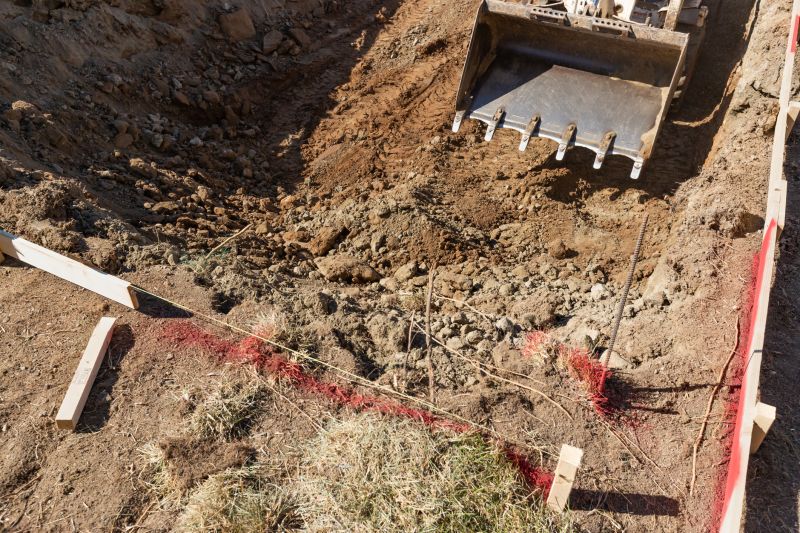
Before comparing land grading contractors, clearly describe your project scope, verify their experience, and set expectations in writing.
- Verify experience and references of local contractors in land grading projects. Review their past work to ensure familiarity with similar site conditions and scope.
- Define the scope of work clearly in writing, including grading levels, drainage considerations, and site boundaries. Ensure expectations are documented to prevent misunderstandings during the project.
- Assess the contractor’s understanding of soil types and site-specific challenges relevant to land grading. This helps confirm their capability to handle the project effectively.
- Compare the methods and equipment used by different service providers to ensure appropriate techniques are planned. Proper equipment choice impacts the quality and durability of the grading work.
- Check that the scope includes plans for site preparation, erosion control, and final grading specifications. Clear scope details help set realistic expectations for the completed project.
- Ensure all project details, responsibilities, and deliverables are outlined in a written agreement before work begins. This documentation helps protect interests and clarifies project parameters.
Use this to compare local contractors, clarify project scope, verify experience, and set clear expectations.
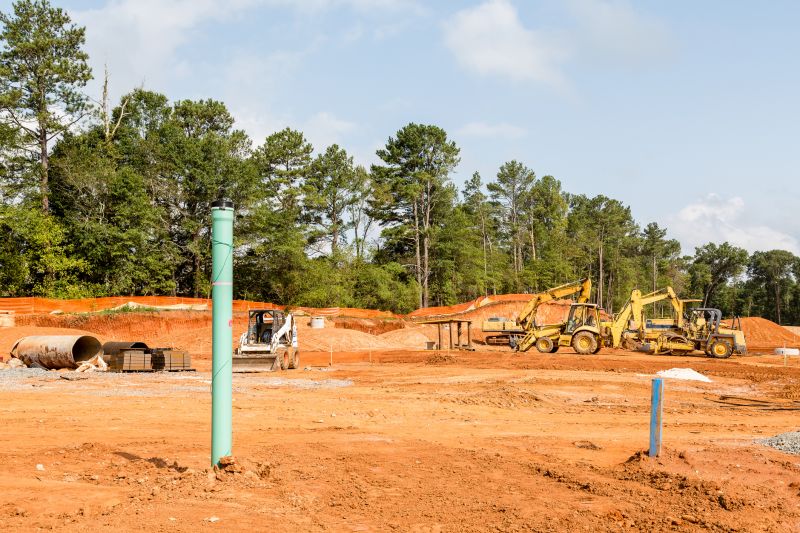
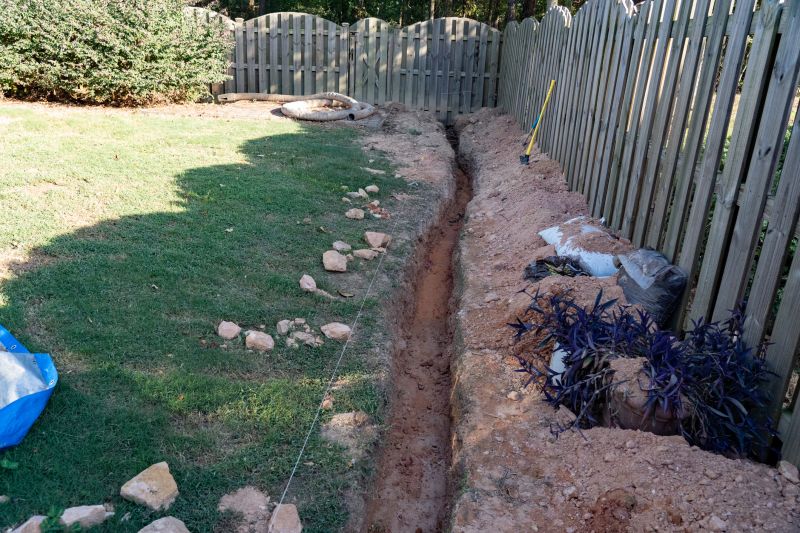
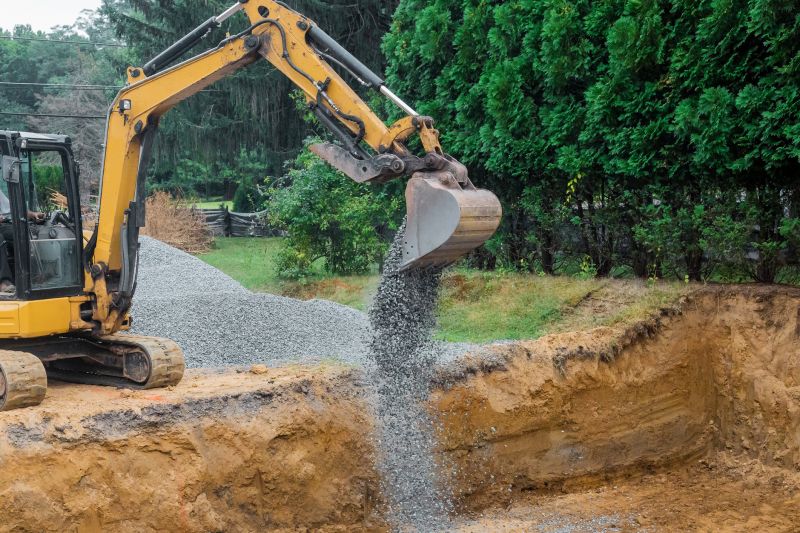
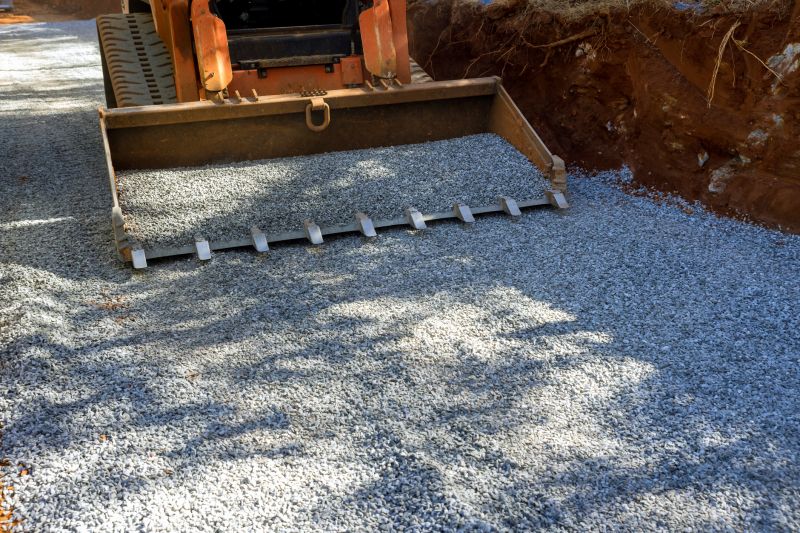
Compare local contractors' scope definitions and experience to ensure consistent expectations across different service providers.
- Project Scope Definition - Clearly outline the specific land grading tasks and areas to be addressed by local contractors.
- Experience Verification - Confirm that service providers have relevant experience with similar grading projects in the local area.
- Material and Equipment Requirements - Specify any materials, tools, or machinery needed to complete the grading work effectively.
- Work Quality Expectations - Define the standards for finish and accuracy to ensure the grading meets project requirements.
- Written Agreement Details - Ensure all scope, expectations, and responsibilities are documented in a detailed written contract.
When comparing contractors for land grading, it is important to evaluate their experience with projects similar in scope and complexity to the work at hand. Service providers who have a proven track record of completing land grading tasks comparable to your site can offer insights into potential challenges and effective solutions. Asking about past projects, reviewing their portfolio of completed work, or inquiring about their familiarity with your type of terrain can help gauge their level of expertise and confidence in managing your specific needs.
A clear, written scope of work is essential when assessing potential contractors. This document should outline the specific tasks to be performed, the conditions of the site, and the desired outcomes. A detailed scope helps ensure that both parties have aligned expectations and provides a point of reference throughout the project. When reviewing proposals or plans, look for clarity and completeness, and consider how well the contractor’s description matches your understanding of the project’s requirements.
Verification basics involve confirming that the contractor has the necessary experience and knowledge to handle your land grading project effectively. This can include requesting references from previous clients, verifying the contractor’s familiarity with local soil and terrain conditions, and understanding their approach to site preparation and grading techniques. Ensuring that a contractor’s background aligns with the specific demands of your site can reduce uncertainties and support smoother project execution.
Evaluating options without focusing on prices involves examining the quality of proposals, the comprehensiveness of scope, and the professionalism of communication. Consider how well each contractor’s approach addresses your project’s needs, their level of detail in planning, and their ability to articulate the work involved. Comparing these aspects can help identify service providers who are well-qualified and capable of delivering the desired results, ensuring that the selection process is based on experience, clarity, and suitability rather than cost alone.
Ask contractors to provide written scope details to ensure clear understanding and consistent expectations.
- Experience and Expertise - How do the service providers' past land grading projects compare in scope and complexity?
- Scope of Work - What specific tasks and responsibilities are included in each contractor’s land grading services?
- Methodology and Techniques - What approaches and equipment do the contractors use to ensure proper land grading?
- Project Management and Communication - How do the contractors define and document the scope of work and project expectations?
- References and Past Work - Can the service providers provide references or examples that demonstrate their experience with similar land grading projects?
How can I compare contractors for land grading? Look for reviews, ask about their experience with similar projects, and request detailed descriptions of their services to ensure they meet your specific needs.
What should I define in the scope of land grading work? Clearly outline the area to be graded, the desired slope or level, and any additional tasks like drainage or soil preparation to set clear expectations.
How do I verify a contractor's experience with land grading? Request examples of past projects, inquire about their familiarity with local soil and terrain conditions, and check references if available.
Why is it important to get work details in writing? Having a written agreement helps clarify the scope, responsibilities, and expectations, reducing misunderstandings during the project.
What questions should I ask potential land grading contractors? Inquire about their approach to grading, methods used, and how they handle unforeseen issues to ensure they align with project requirements.
How can I ensure a contractor understands my land grading needs? Communicate your project goals clearly, provide detailed descriptions, and confirm that they understand the scope before work begins.
Understanding the key aspects of land grading services can help in making informed decisions. Visitors have learned how to clearly define the scope of work, verify the experience of local contractors, and set expectations in writing to ensure a smooth project process. Comparing different service providers allows for a better assessment of options, ensuring that the chosen contractor aligns with the specific needs of the land improvement project.
To find the right land grading contractor, using the quote form to compare local options is a practical step. This approach helps in connecting with service providers who can handle the job effectively, providing the opportunity to evaluate their offerings and expertise side by side. Taking the time to explore and compare ensures that the selection process is thorough and tailored to the project's requirements.